

Das Bild oben ist nicht echt
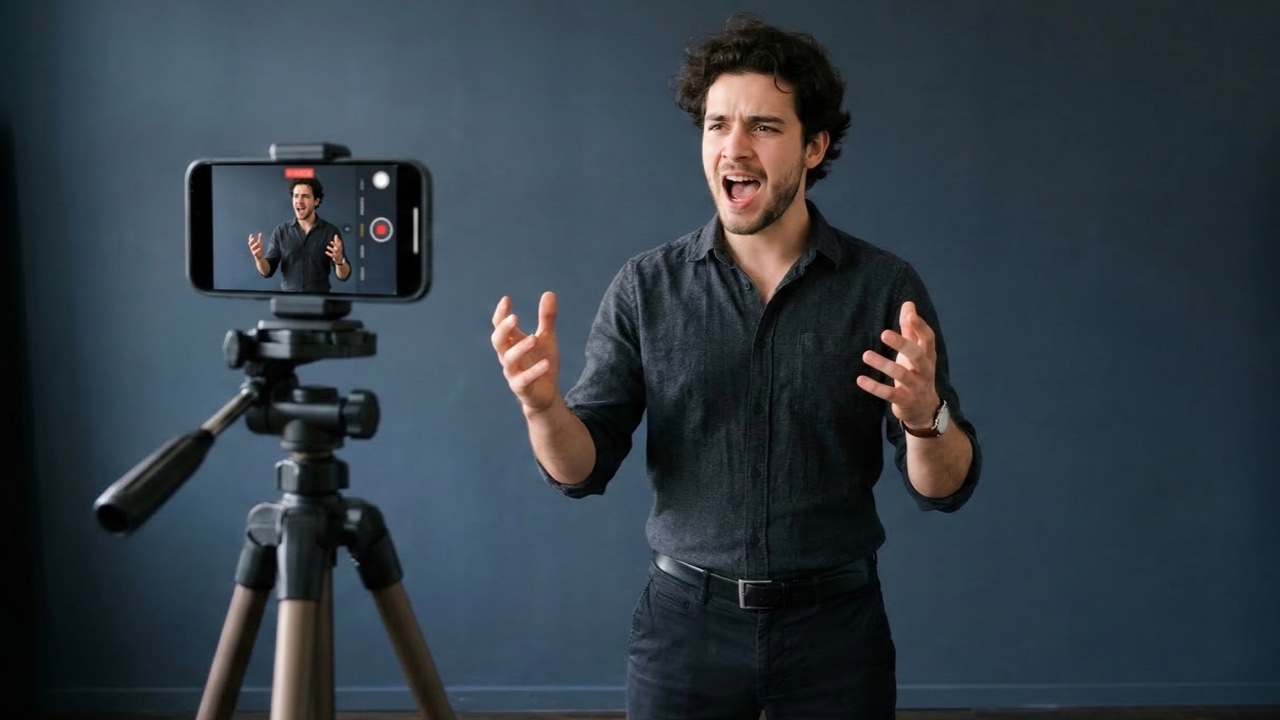
Schau dir das Foto oben an. Ein junger Darsteller nimmt ein Casting-Video auf. Natürliche Haltung, authentischer Gesichtsausdruck, professionelles Setting. Sieht aus wie ein Kollege, den du aus der letzten Produktion kennst.
Nur: Diese Person existiert nicht. Das Bild wurde von einer KI generiert. Und das Material, mit dem solche Bilder möglich werden? Das kommt unter anderem von YouTube.
Was passiert, wenn du ein Video auf YouTube hochlädst
Beim Upload akzeptierst du YouTubes Nutzungsbedingungen. Darin steckt eine Klausel, die den meisten nicht bewusst ist: Du räumst YouTube eine weltweite, gebührenfreie, unterlizenzierbare und übertragbare Lizenz ein. Diese Lizenz erlaubt YouTube, deine Inhalte zu nutzen, zu reproduzieren und abgeleitete Werke daraus zu erstellen. Und zwar nicht nur für YouTube selbst, sondern auch für das Geschäft seiner verbundenen Unternehmen.
Verbundenes Unternehmen von YouTube ist Google. Und Google trainiert damit seine KI-Modelle Gemini und Veo.
Google hat das im Juni 2025 öffentlich eingeräumt: YouTube-Videos werden zum Training von Gemini und Veo verwendet. Es ist nicht möglich, hochgeladene Videos gegen diese Nutzung zu sperren. Die Lizenzklausel greift automatisch beim Upload.
Konkret heißt das: Dein Gesicht, deine Stimme, deine Bewegungen, dein Song, dein Monolog -- alles wird potentiell Trainingsmaterial für eine KI, die dann Bilder und Videos generiert, die echten Darstellern zum Verwechseln ähnlich sehen. Wie das Bild oben.
Die Doppelmoral der Branche
Was mich als Gründer ärgert, ist die Doppelmoral. Dieselben Theater, die sich in Diskussionsrunden gegen den Einsatz von KI aussprechen, schreiben in ihren Audition-Ausschreibungen: "Bitte senden Sie uns ein YouTube-Video."
Das passiert vor allem bei kleineren Häusern und Stadttheatern, die keine professionelle Casting-Infrastruktur nutzen. Es ist keine böse Absicht. Es ist technische Inkompetenz, gepaart mit Bequemlichkeit. Und die Konsequenz ist, dass sie ihre eigenen Darsteller dazu anleiten, Trainingsmaterial für genau die Technologie zu produzieren, gegen die sie sich öffentlich positionieren.
Wer "Schicken Sie uns ein YouTube-Video" schreibt, sagt im Grunde: "Füttern Sie bitte Googles KI mit Ihrem Gesicht, damit wir uns den Aufwand einer professionellen Lösung sparen."
Was du stattdessen tun kannst
Castapp+ bietet eine Funktion, die genau dieses Problem löst: den Smart Profil-Link.
Du erstellst einen persönlichen Link zu deinem Castapp-Profil. Dabei entscheidest du selbst, welche Bereiche sichtbar sind: nur Videos, Videos und Vita, oder das komplette Profil. Du aktivierst und deaktivierst einzelne Videos gezielt -- je nachdem, was für die jeweilige Bewerbung relevant ist.
Jeder Link kann mit einem Ablaufdatum versehen werden: 7 Tage, 30 Tage oder unbegrenzt. Nach Ablauf ist das Material nicht mehr zugänglich.
Der entscheidende Unterschied: Deine Videos bleiben auf Castapp. Sie werden nicht auf einer Plattform gehostet, deren Geschäftsmodell auf der Verwertung deiner Inhalte basiert. Kein KI-Training, kein Scraping, keine versteckte Lizenz.
Das nächste Mal, wenn ein Theater schreibt "Senden Sie uns ein YouTube-Video": Schick ihnen deinen Smart Profil-Link. Sie sehen alles, was sie brauchen. Und dein Material bleibt deins.
An die Caster und Theater
Wenn ihr Auditions ausschreibt: Hört auf, YouTube-Links zu verlangen. Ihr zwingt Darsteller damit, ihr Material einer Plattform zu überlassen, die es für KI-Training nutzt. Das ist nicht im Interesse eurer Branche.
Es gibt professionelle Alternativen. Nutzt sie.